Hannah Baker’s suicide
Thirteen Reasons WhyHannah Baker’s suicide is the death around which the novel’s account is organized. It is disclosed immediately, then reconsidered through the signs Hannah gave, the adults and classmates who might have recognized them, and the recordings through which she tells her story after her death. The narrative’s central tension lies between the fact of her death and the repeated evidence that her distress had been voiced, though not adequately understood or answered.
Disclosure and Narrative Frame
The opening establishes the death as fact: Clay Jensen realizes that Hannah killed herself, and the tapes announce that their listener will hear the story of her life and why it ended. The announcement makes the recordings both an account of the past and an address to people connected to it. Hannah’s death is therefore not held back as a final revelation; the narrative asks instead how the circumstances and warnings came to be understood only afterward.
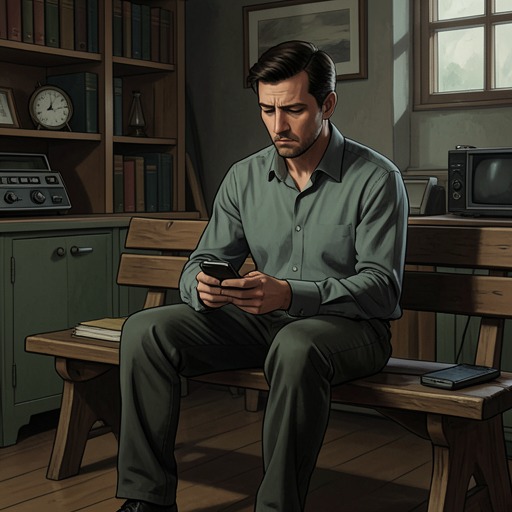
Clay’s ordinary explanation to his mother—that the recordings are for a school project—shows how the tapes enter daily life under a cover story. His private listening is set against the gravity of their subject: Hannah died two weeks earlier after swallowing pills. The contrast makes the tapes’ task distinct from simple recollection: they carry testimony that Clay cannot readily share with those around him.
Warnings at School
Before her death, Hannah wrote an anonymous note for the paper bag in Mrs. Bradley’s class, a place where students could leave feedback on teaching and suggest topics for discussion. The note said that suicide was something she had been thinking about, though not too seriously. Hannah rehearsed the wording dozens of times, repeatedly writing and discarding it before delivering it. The effort points to a disclosure that was deliberate but cautious: she placed the thought where it could be read without attaching her name.
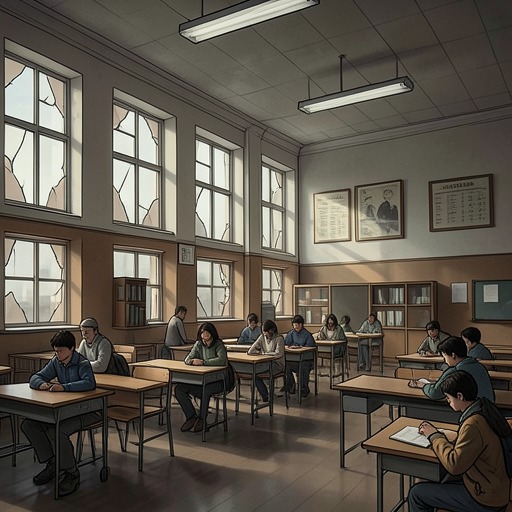
The class did not proceed to the thorough discussion Hannah’s note called for. When students proposed suicide as a topic, the discussion turned toward demands for specifics. Mrs. Bradley instead gave local statistics and explained that deaths by suicide among juveniles might not be reported publicly, leaving communities unaware of what was happening. The information widened the subject beyond an individual classroom, but it did not lead to the discussion Hannah had sought. The episode distinguishes between acknowledging suicide as a topic and creating space for a person to speak about their own risk.
Signs Recognized in Retrospect
Hannah gave Tony her bicycle, saying that she was done with it and that he might need a backup if his old car broke down. Tony later identified the gesture as a sign and said he had missed it. The practical explanation attached to the gift made the act easy to take at face value at the time; after her death, the same gesture acquired the weight of giving away a possession.
The recordings also make clear that Hannah’s stated intention had become more immediate. She decided on pills and said that she intended to act the following day, while remaining uncertain about what kind or how many. This account connects despair to a specific method and timeframe without reducing her death to the method itself. It sits alongside earlier, less explicit signs, showing a progression from tentative disclosure to a stated plan.
The Unanswered Appeal
In a conversation with Mr. Porter, Hannah said that she needed everything to stop—people and life. Mr. Porter recognized the significance of the statement and asked whether she meant that she wanted her own life to stop. The exchange shows that her distress was voiced directly and that its meaning was at least partly recognized; the tragedy lies in the gap between noticing the words and providing the help Hannah was seeking.
Across these episodes, the novel places an anonymous written warning, an apparently practical gift, and a direct spoken appeal beside the known outcome. No single sign is presented as a complete explanation of the death. Together, they make the aftermath a question of attention and response: Hannah had tried to communicate distress in different ways, while the people and settings around her did not turn those signals into effective support.